Introduction
In today’s fast-paced digital era, your NGO’s online presence is as important as the work you do on the ground. Whether it’s attracting volunteers, sharing updates, or receiving donations, your website plays a key role in connecting with your audience.
But here’s the truth if your website isn’t mobile-friendly, you’re missing out on a large number of visitors. A responsive NGO website ensures that every person, no matter what device they use, can easily explore your mission, view your projects, and donate online with confidence.
In this blog, you’ll learn how to make a website of an organisation that looks great on every device, loads quickly, and motivates people to take action.
1. Why a Responsive NGO Website Matters
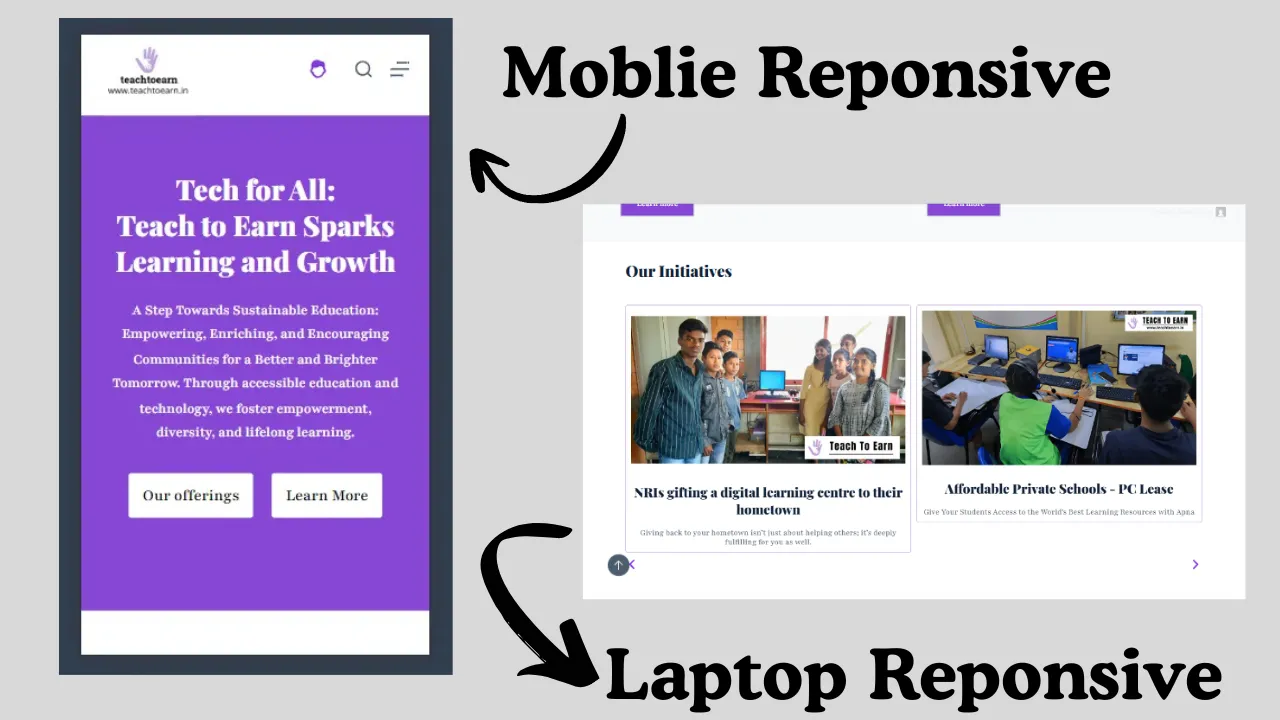
A responsive website automatically adjusts to different screen sizes phones, tablets, or desktops giving every visitor the best possible experience. For NGOs, this matters even more, because many supporters use mobile devices to access information or donate.
Here’s why mobile responsiveness should be your top priority:
- Better User Experience: A mobile-friendly layout helps visitors browse your projects and stories easily.
- Higher Donation Rates: A simple, secure, and responsive donate online section builds trust and encourages giving.
- Improved SEO Ranking: Google favors mobile-friendly websites, improving your chances to appear in top search results.
- Global Reach: With mobile internet access spreading everywhere, your NGO can connect with supporters across the world.
A responsive design not only enhances engagement but also builds your credibility as a professional and tech-forward organisation.
2. How to Make a Website of an Organisation (Step-by-Step Guide)
Building a powerful NGO website isn’t as hard as it seems. With the right plan, tools, and design, you can create a website that truly represents your organisation’s values and goals.
Below is a step-by-step table showing how to make your NGO website fully responsive and mobile-friendly:
| Step | Action | Recommended Tools / Platforms | Quick Tip (Why It Matters) |
| 1 | Choose the Right Platform | WordPress, Wix, Squarespace, or custom CMS (Laravel, React) | Choose a platform with built-in responsive templates to make your work easier and faster. |
| 2 | Pick a Clean & Responsive Design | Astra, GeneratePress, Divi, Elementor, Gutenberg | Use themes optimized for all screen sizes. Test with Google’s Mobile-Friendly Tool for assurance. |
| 3 | Add Key Pages for Your NGO | WordPress page builder or Elementor templates | Create pages like Home, About, Projects, Donate Online, Contact. Clear navigation improves engagement. |
| 4 | Optimize for Mobile Speed | Plugins: WP Rocket, ShortPixel, Smush, CDN: Cloudflare | Use compressed images and caching tools to ensure your website loads within 3 seconds. |
| 5 | Make Donation Easy & Secure | Payment Gateways: Razorpay, PayPal, Stripe; Plugins: GiveWP | Add a “Donate Now” button on all pages. Use secure, trusted gateways to build donor confidence. |
| 6 | Integrate Social Media & Analytics | Social icons, Google Analytics, Meta Pixel | Linking your social accounts and tracking data helps increase reach and understand visitor behavior. |
3. Essential Elements Every NGO Website Must Have
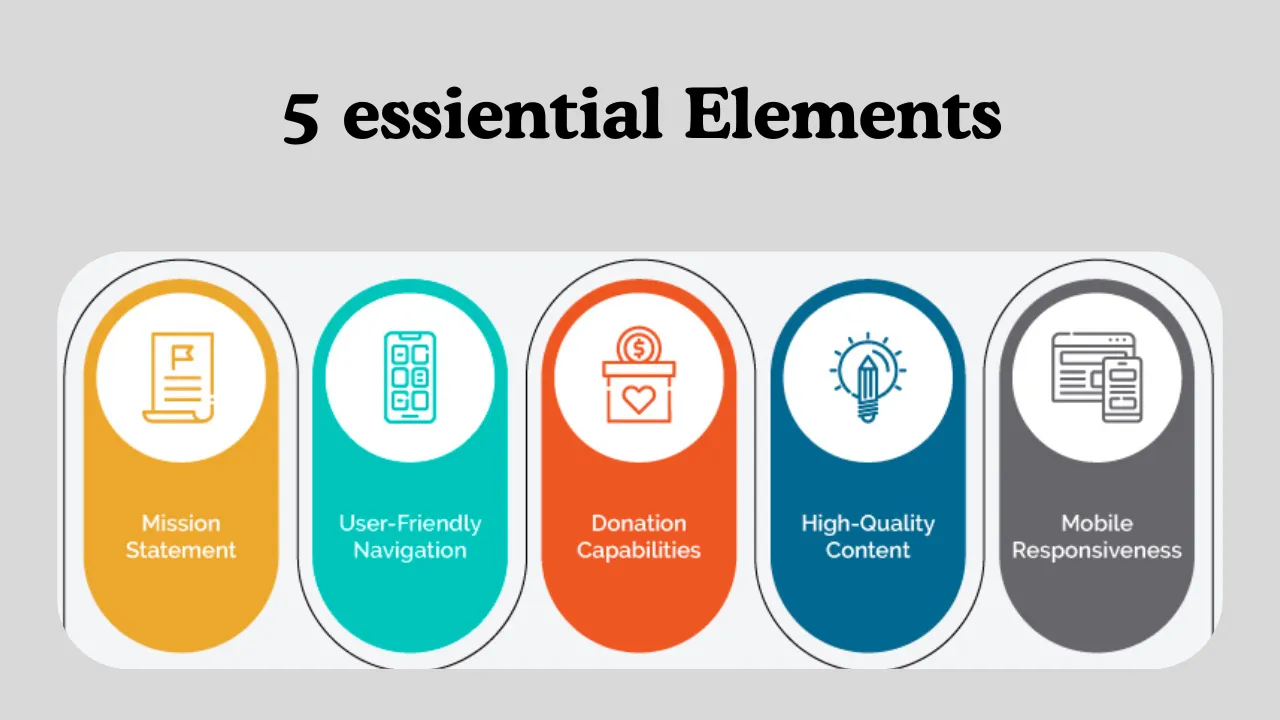
Once your responsive layout is ready, focus on adding features that make your NGO website engaging and user-friendly.
Here are must-have elements:
When combined with a responsive layout, these features make your NGO website professional, credible, and effective in turning visitors into supporters.
4. Best NGO Website Solutions for Responsiveness
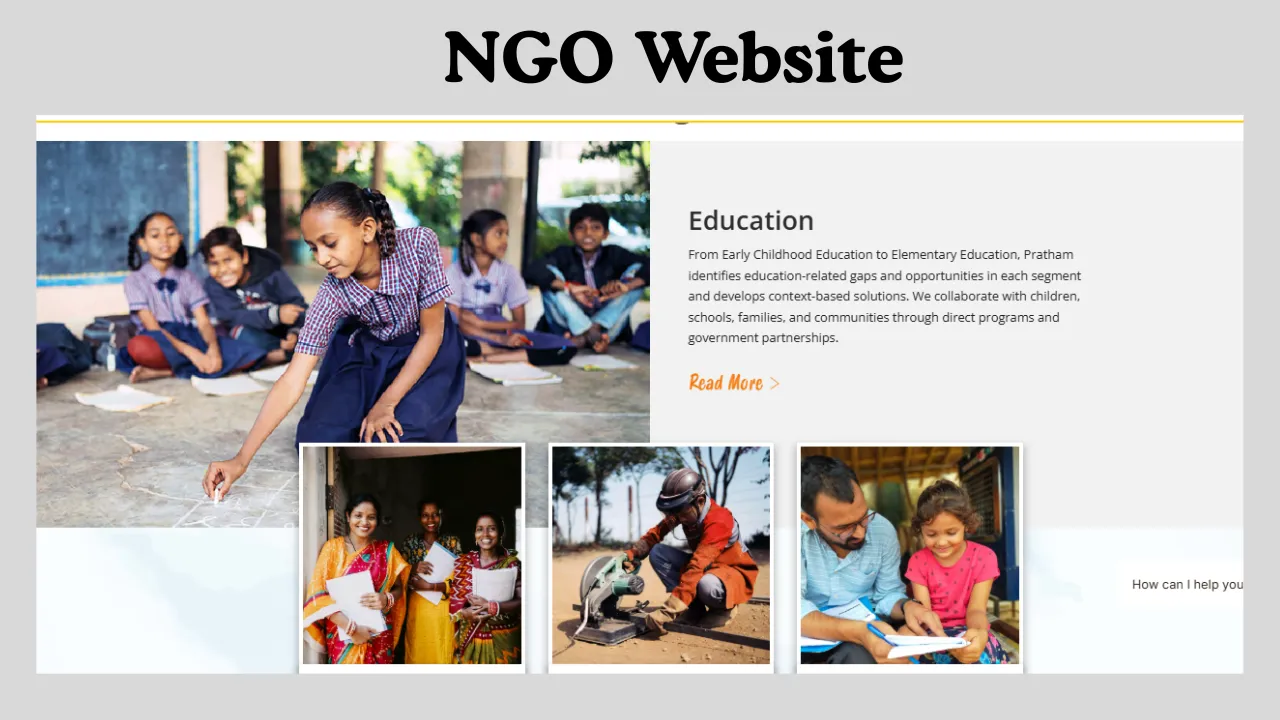
If you don’t have a technical team, you can rely on NGO website solutions that are pre-built and customizable. These services take care of everything from layout design to donation integration.
Some popular solutions include:
- WordPress NGO Themes: Pre-designed templates built specifically for non-profits.
- Custom NGO Web Development Services: For unique branding and advanced features.
- All-in-One NGO Platforms: Tools like GiveWP, Donorbox, and NationBuilder combine donation systems with website builders.
When choosing a solution, make sure it includes:
- Responsive and mobile-first design
- SEO and speed optimisation
- Integrated donation forms
- Security (SSL and payment encryption)
- Social media integration
These features ensure your NGO website works perfectly across all devices while providing a seamless donation experience.
5. SEO Optimization Tips for NGO Websites

To attract organic visitors and donors, you must make your NGO website SEO-friendly.
Here are some practical steps:
- Use keywords naturally, like How to make a website of an organisation, donate online, and NGO website solutions.
- Write engaging meta titles and descriptions for each page.
- Add alt text to images describing what they represent.
- Use internal links between your blogs, donation page, and contact section.
- Get backlinks from local news sites, charity directories, or government listings.
- Regularly update your blog with new stories and success updates.
SEO not only improves visibility but also builds trust among donors and partners searching online.
6. Mobile Optimisation Techniques You Shouldn’t Ignore
Even with a responsive theme, you must fine-tune your site for mobile performance:
Use large buttons and readable text: Make sure users can tap and read easily without zooming.
Minimize pop-ups: Avoid annoying pop-ups that block mobile content.
Simplify navigation: Limit menu items and include a visible “Donate” or “Join” button.
Speed up page load: Use lazy loading for images and enable browser caching.
Test across devices: Check your website on both Android and iOS to ensure it displays properly.
These improvements make your website more accessible and donor-friendly.
7. Promote Your NGO Website and Increase Donations
After building your responsive website, the next step is promotion. Visibility equals impact.
Here’s how you can promote effectively:
- Share project updates and donation links on social media.
- Run Google Ads for Nonprofits to reach targeted audiences.
- Send email newsletters with donation appeals and event updates.
- Collaborate with influencers or partner NGOs for cross-promotion.
- Encourage supporters to donate online directly from your website.
A consistent digital presence ensures that more people discover your work and contribute to your cause.
Conclusion
A fully responsive and mobile-friendly NGO website isn’t just a digital necessity, it’s a bridge between your mission and your supporters. When people can easily navigate your website, read your story, and donate online seamlessly, they’re more likely to become loyal contributors.
By following these steps and using trusted NGO website solutions, you can build a powerful online platform that drives awareness, action, and change.
Ready to create a professional and responsive NGO website?
Let’s help your organisation go digital! Learn how to make a website of an organisation that is modern, mobile-friendly, and built to inspire donations.
Contact us today for affordable NGO website solutions that help you grow your impact and reach more donors online.