When business owners launch a website, they usually focus on design, content, and features. But there’s one critical component that often gets ignored hosting.
Hosting is the invisible foundation of your website. If it’s weak, your website performance, security, and even sales can suffer.
Unfortunately, many business owners don’t fully understand what hosting actually does and why choosing the right one matters.
Let’s simplify it.
What Is Website Hosting?
In simple terms, hosting is where your website “lives.”
Every website consists of files, images, code, and databases. Hosting is the server that stores all this data and delivers it to visitors when they type your domain name.
Think of it like renting space on the internet.
No hosting = no website visibility.
1. Not All Hosting Is the Same
Many business owners choose the cheapest hosting plan without understanding the differences.
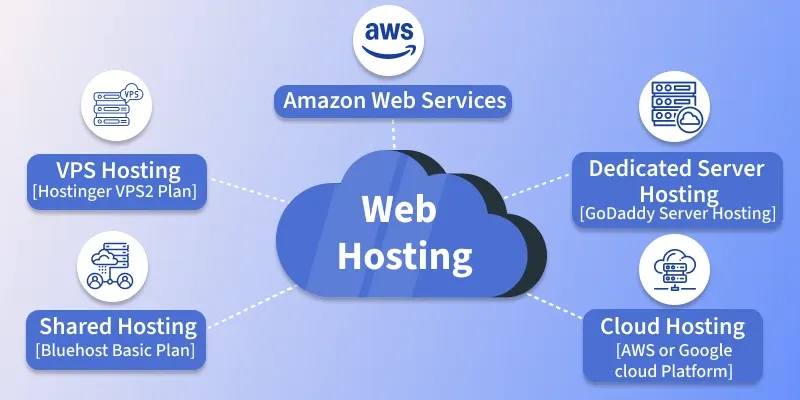
There are several types:
- Shared Hosting
- VPS Hosting
- Dedicated Servers
- Cloud Hosting
Shared hosting is affordable but shares resources with many websites.
Dedicated hosting offers higher performance but at a higher cost.
The right choice depends on your business size and traffic expectations.
2. Cheap Hosting Can Cost You More Later
Low-cost hosting may seem attractive, but it often comes with:
- Slow loading speeds
- Frequent downtime
- Limited support
- Weak security
Slow websites reduce conversions. Downtime damages credibility. Weak security risks data breaches.
Saving small amounts initially can result in larger losses later.
3. Website Speed Depends on Hosting
Hosting directly impacts website speed.
Speed affects:
- User experience
- SEO rankings
- Conversion rates
- Bounce rate
Even a well-designed website will struggle if hosted on a slow server.
Performance matters more than most business owners realize.
4. Security Is a Hosting Responsibility Too
Hosting providers play a major role in:
- Firewall protection
- Malware scanning
- Server monitoring
- Data backup
Many business owners assume security is only about plugins but server-level security is equally important.
5. Downtime Affects Revenue
If your website goes down:
- You lose potential customers
- You lose search engine trust
- You damage brand reliability
Reliable hosting ensures maximum uptime.
Business websites should aim for 99.9% uptime or better.
6. Support Quality Makes a Difference
When technical issues arise, quick support matters.
Reliable hosting providers offer:
- 24/7 support
- Fast response time
- Technical expertise
Poor support can delay recovery during critical issues.
7. Scalability Is Often Overlooked
As your business grows, your hosting needs grow too.
A good hosting solution should allow:
- Easy upgrades
- Increased bandwidth
- Better performance handling
- Traffic scalability
Growth-ready infrastructure prevents future migration headaches.
8. Hosting Affects SEO More Than You Think
Search engines consider:
- Page load speed
- Uptime
- Server performance
Weak hosting indirectly affects your search visibility.
Good hosting supports SEO performance.
Common Mistake Business Owners Make
Many business owners:
- Choose hosting based only on price
- Ignore performance specifications
- Do not monitor uptime
- Skip regular backups
Hosting should be treated as an investment, not an expense.
The Freelance Wala Approach
At Freelance Wala, hosting is not an afterthought. It’s part of the performance strategy.
A strong hosting foundation ensures:
- Faster website speed
- Stronger security
- Better reliability
- Scalable growth
Because your website is only as strong as the server behind it.
Conclusion
Hosting is the backbone of your website. It impacts performance, security, SEO, and business credibility.
Understanding hosting helps you make smarter decisions and avoid costly mistakes.
In today’s digital economy, strong infrastructure is not optional. It’s essential.